Building a Cultural Service Centre: The Story Behind NMDA
When Indian classical arts are discussed, attention often focuses on performers who appear on stage. Yet behind every sustainable artistic tradition is a wider network of teachers, institutions, organisers, researchers and cultural platforms. For Kuchipudi artiste and cultural organiser Vikram Kumar B R, popularly known as Bathina Vikram Goud, creating this institutional support system has been an important part of his career.
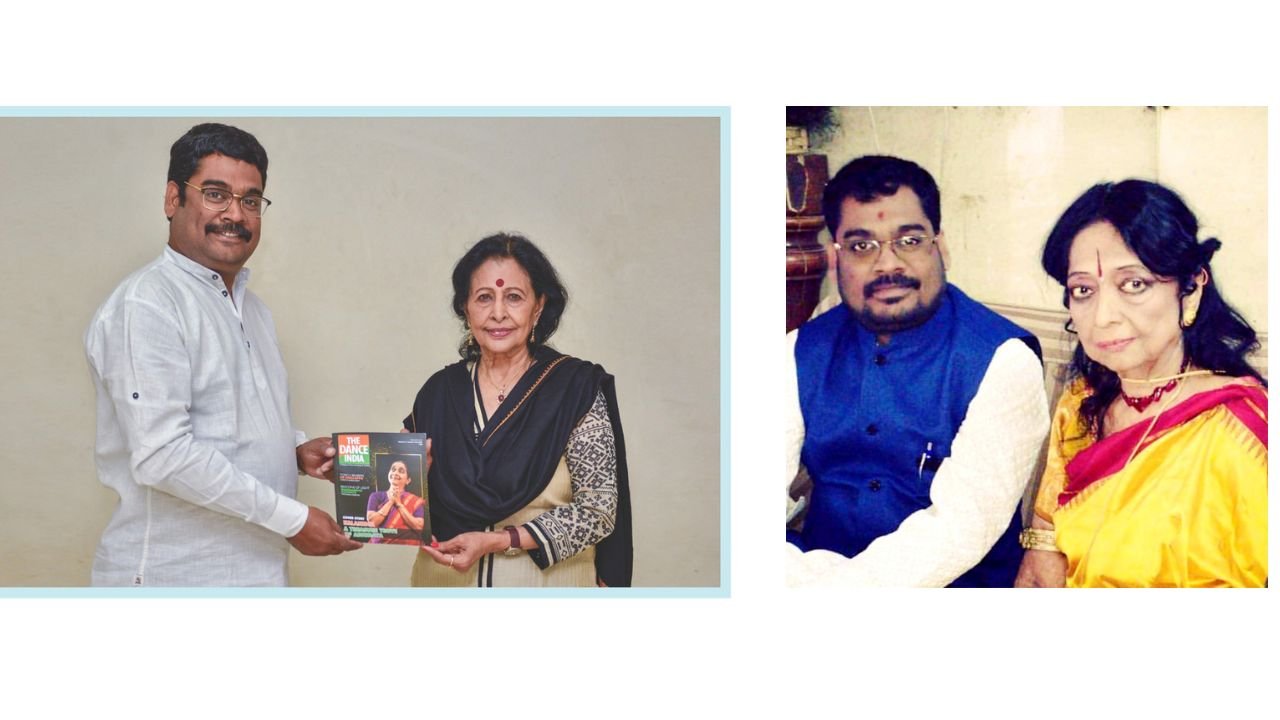
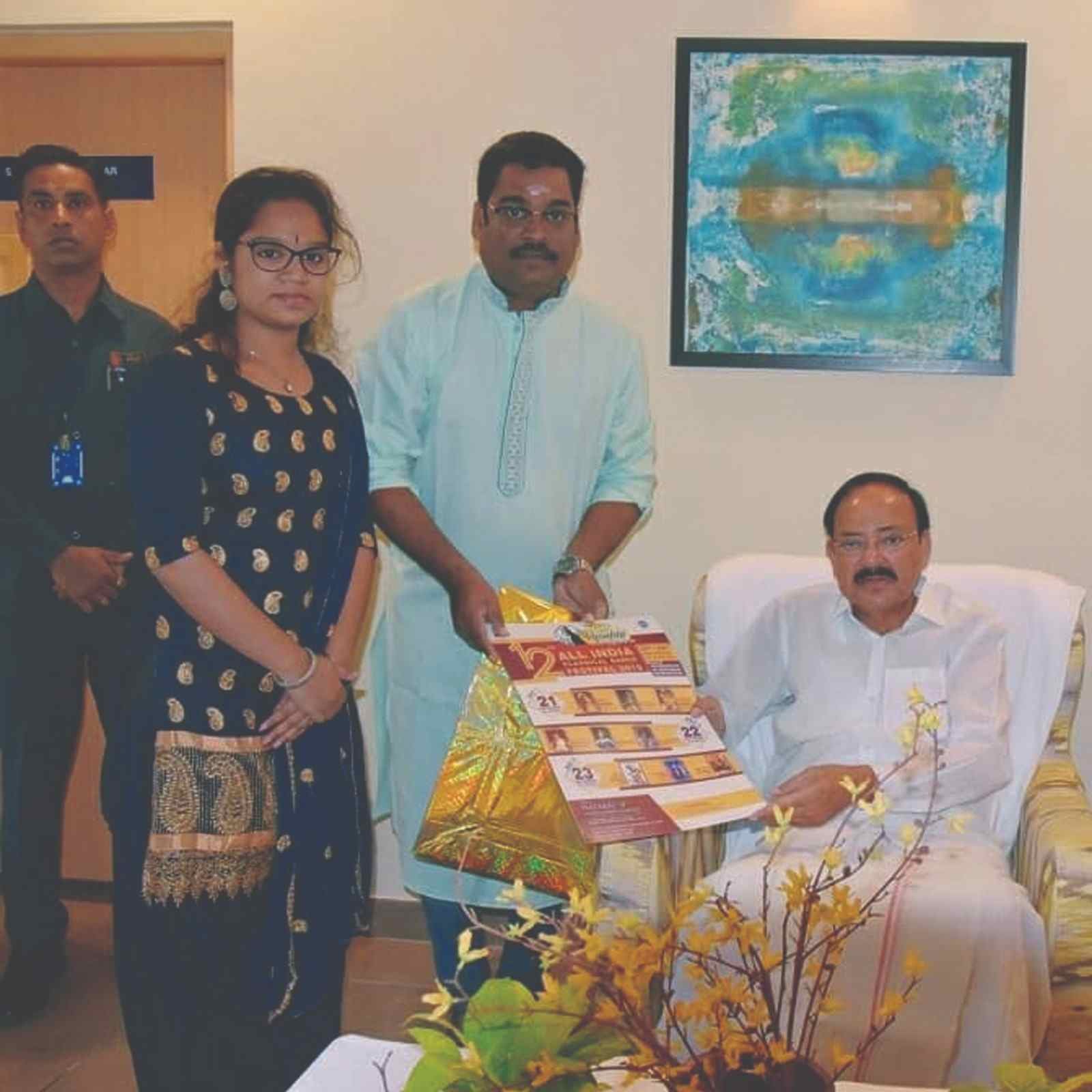
A major step in that direction came in 2000, when Vikram Kumar founded the Nataraj Music and Dance Academy (NMDA). The institution was conceived as a dedicated centre for cultural service, with the objective of supporting Indian classical and traditional arts through education, performance and organised cultural activity.
Over the years, NMDA developed beyond the conventional idea of an academy. Its activities have included artistic training, competitions, workshops, seminars, festivals and cultural events, creating opportunities for both established practitioners and emerging artistes.
A Cultural Centre With a Wider Purpose
The idea behind NMDA was not limited to teaching dance steps.
Indian classical traditions contain a large body of knowledge involving music, literature, mythology, performance practices, choreography, rhythm and the guru-shishya tradition. Maintaining these traditions requires more than occasional performances.
Vikram Kumar’s institutional approach has therefore placed importance on creating a cultural environment where different aspects of the performing arts can exist together.
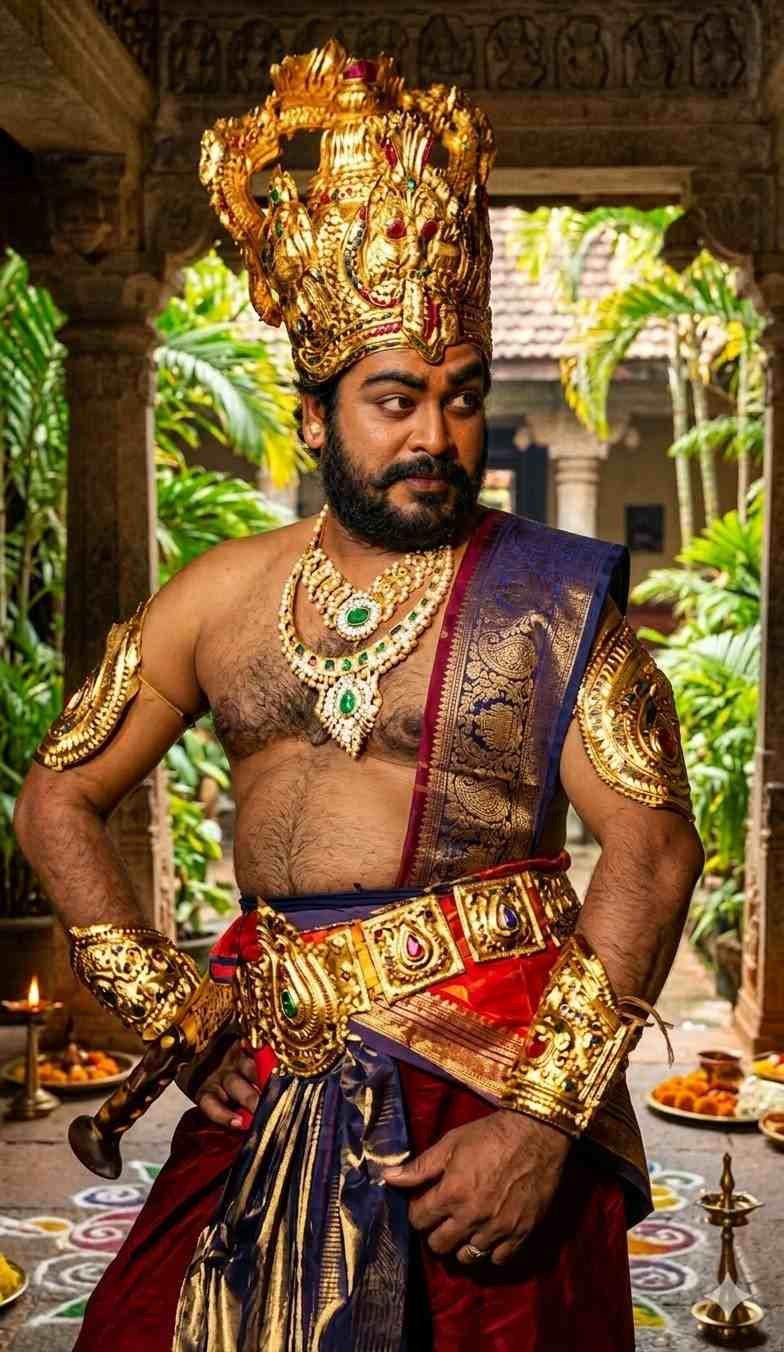
NMDA provides training in Kuchipudi, Indian folk traditions, Indian classical music and instrumental music. This combination gives the academy a multidisciplinary character and allows students to encounter several components of India’s artistic heritage.
Encouraging Structured Learning
Classical arts demand years of disciplined practice.
For young students, an academy can provide a structured environment in which technique is developed gradually under guidance. Regular training can help performers build confidence, discipline and familiarity with traditional repertoire.
NMDA’s activities have been directed toward nurturing skilled and disciplined practitioners rather than treating classical arts simply as recreational activities.
The academy has also used competitions and cultural programmes as additional opportunities for students to gain practical exposure.
Connecting Training With Performance
One of the challenges faced by young classical artistes is the gap between classroom learning and professional performance.
A student may spend years practising but still require opportunities to understand how a full stage production works.
Cultural festivals help bridge this gap.
Through NMDA’s programmes, young artistes can experience live audiences, stage coordination and the demands of public performance. They can also observe senior performers and gain a better understanding of professional standards.
This combination of training and performance has been an important feature of the academy’s cultural activities.
Workshops and Seminars as Learning Platforms
NMDA has also organised workshops and seminars, creating opportunities for knowledge exchange.
Such programmes can expose students to perspectives that may not always be available through routine classes.
Discussions involving artists, teachers, researchers and cultural practitioners can help students understand the historical and intellectual dimensions of their art.
For Vikram Kumar, this broader learning process forms part of the responsibility of cultural institutions.
Festivals as Cultural Outreach
The academy’s institutional role expanded significantly through its involvement in festivals.
NMDA has been associated with a series of initiatives designed to bring classical and traditional arts before wider audiences.
These include Vysakhi Nrithyotsav, Bharat Nrithyotsav, Nataraj Nrithyotsav, Naatya Tharang Sangeeth Nrithyotsav, Sathyabhama Yuva Nrithyotsav, Jathis Music & Dance Festival and Amaravathi Nrithyotsav.
Each initiative has served a different purpose, ranging from national and international cultural exchange to youth development and specialised platforms for particular groups of performers.
Through these activities, NMDA has functioned not only as a training academy but also as a cultural organiser.
Supporting Different Generations
A healthy artistic tradition requires communication between generations.
Senior artistes carry decades of experience, while young performers represent the future of the tradition.
NMDA’s festival and educational activities have sought to bring these groups into shared cultural spaces.
For young dancers, watching experienced practitioners can be as valuable as formal classroom instruction. It provides an opportunity to observe interpretation, stage presence, musical coordination and artistic maturity.
Such interactions can help preserve knowledge that might otherwise remain limited to individual practitioners.
Promoting Classical and Folk Traditions
Another important aspect of NMDA’s work is its interest in both classical and folk traditions.
While Kuchipudi remains central to Vikram Kumar’s artistic identity, his cultural initiatives have also included Indian folk forms and other traditional practices.
This broader approach recognises that India’s cultural heritage is diverse.
Classical traditions have their own established systems, while folk traditions carry regional histories, community practices and distinctive performance languages.
Creating platforms where these traditions can be presented helps audiences appreciate the larger cultural landscape of India.
Institutional Recognition
NMDA’s development has also been accompanied by institutional recognition.
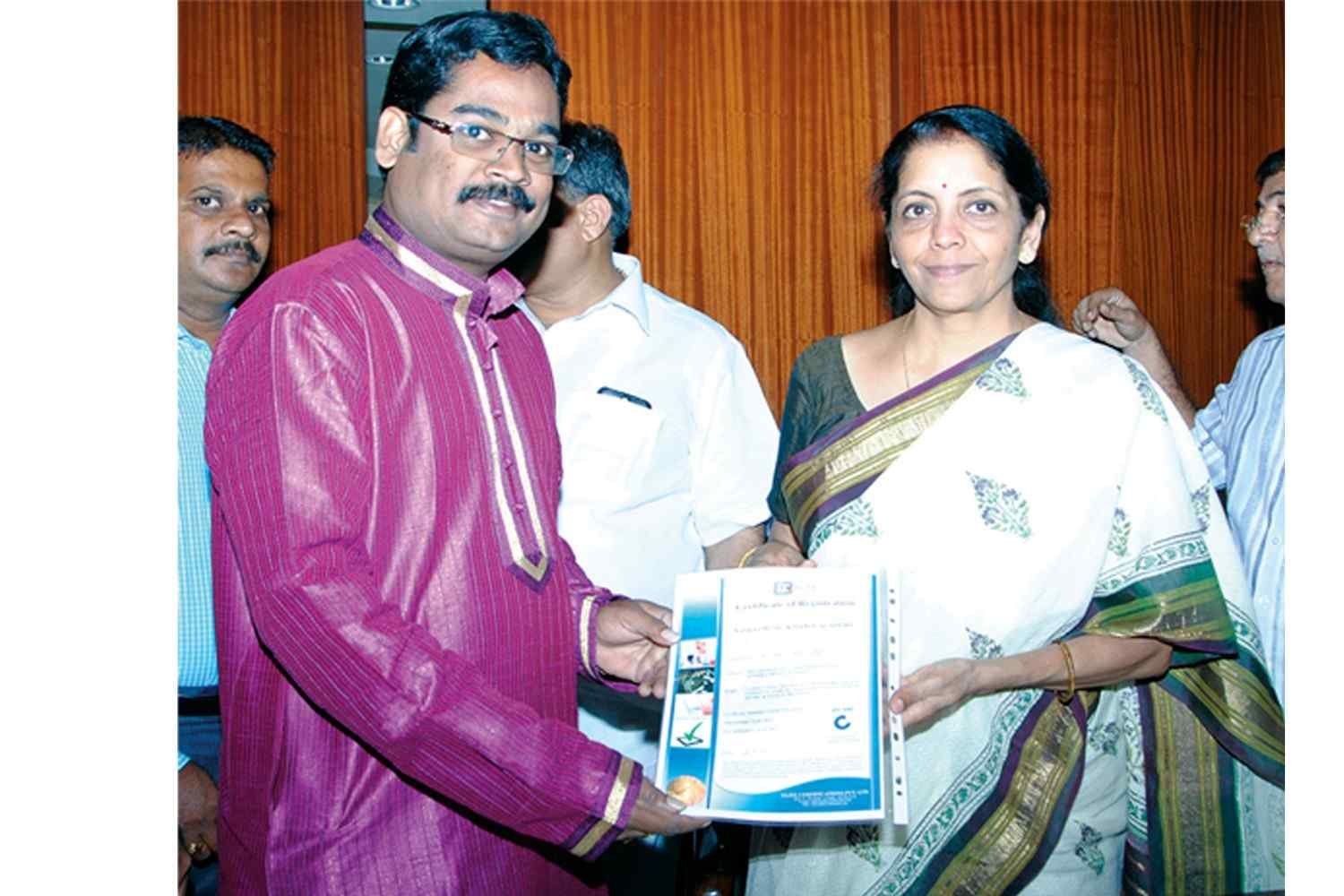
The academy is described as ISO 9001:2008 certified and as a member of the International Dance Council (CID) at UNESCO.
Such recognition has contributed to the academy’s identity as an organised cultural institution.
For Vikram Kumar, institutional structure is particularly important because cultural activities require planning, coordination, documentation and long-term administration.
A Platform for Cultural Service
The phrase “cultural service” captures an important part of the philosophy behind NMDA.
The objective is not simply to organise events but to create sustained opportunities for the arts.
That means supporting performers, encouraging students, educating audiences and creating platforms through which traditions remain visible.
It also means understanding that cultural preservation is a continuous process.
A dance form survives when people continue learning it, performing it, researching it, documenting it and passing it to the next generation.
Linking the Academy With a Larger Cultural Network
NMDA’s activities have also contributed to Vikram Kumar’s wider network of cultural initiatives.
His work extends into festival organisation, cultural journalism, research, theatre, choreography and efforts to connect festival organisers.
The academy provides an institutional foundation from which many of these activities can be developed.
In this sense, NMDA is one part of a much larger cultural ecosystem associated with his career.
Preserving Tradition Through Active Participation
For Vikram Kumar B R, preservation does not mean placing traditional arts in a museum and simply remembering their past.
He has consistently advocated keeping cultural traditions active.
Students must learn them. Artists must perform them. Audiences must experience them. Researchers must document them. Institutions must create platforms for them.
NMDA reflects this approach by combining education with public cultural activity.
A Long-Term Institutional Legacy
More than two decades after its establishment, the Nataraj Music and Dance Academy remains closely associated with Vikram Kumar’s institutional journey.
Its significance lies in the range of activities it has supported—from artistic education and competitions to festivals, seminars and cultural exchanges.
The academy demonstrates how an individual artist can expand his role into institution building.
Instead of concentrating solely on his own artistic career, Vikram Kumar created an organisation intended to provide opportunities for many practitioners.
That institutional perspective has become one of the defining features of his contribution to Indian classical arts.
Building for the Future
The ultimate purpose of a cultural service centre is to make the next generation stronger than the previous one.
Through NMDA, Vikram Kumar B R has pursued a model in which training, performance, cultural organisation and knowledge exchange work together.
Its continuing activities form part of a larger effort to ensure that Indian classical and traditional arts remain connected with contemporary audiences while retaining their historical identity.
For Vikram Kumar, the academy is therefore not merely an organisation founded in 2000. It is an ongoing cultural project—one designed to support artists, educate audiences, encourage young talent and help India’s rich artistic traditions move confidently from one generation to the next.